
For high-salt environments, bactericides must be salt-resistant to prevent salt ions from binding with the active ingredients and causing them to become ineffective.
The mechanism by which membrane antiscalants affect the surface charge properties of reverse osmosis membranes is a key factor in their role in preventing membrane fouling.
In the vast systems of modern industrial production, circulating water systems act like the blood vessels of an enterprise, undertaking crucial functions such as cooling, heat exchange, and process transport.
Cooling water treatment agents, through scientific formulation and multi-functionality, play a vital role in optimizing water quality and improving the overall efficiency of heat exchange systems.
In high-pressure systems, the solute concentration on the membrane surface increases rapidly. If there is insufficient repulsive force between particles, they are prone to aggregation and the formation of a gel layer.
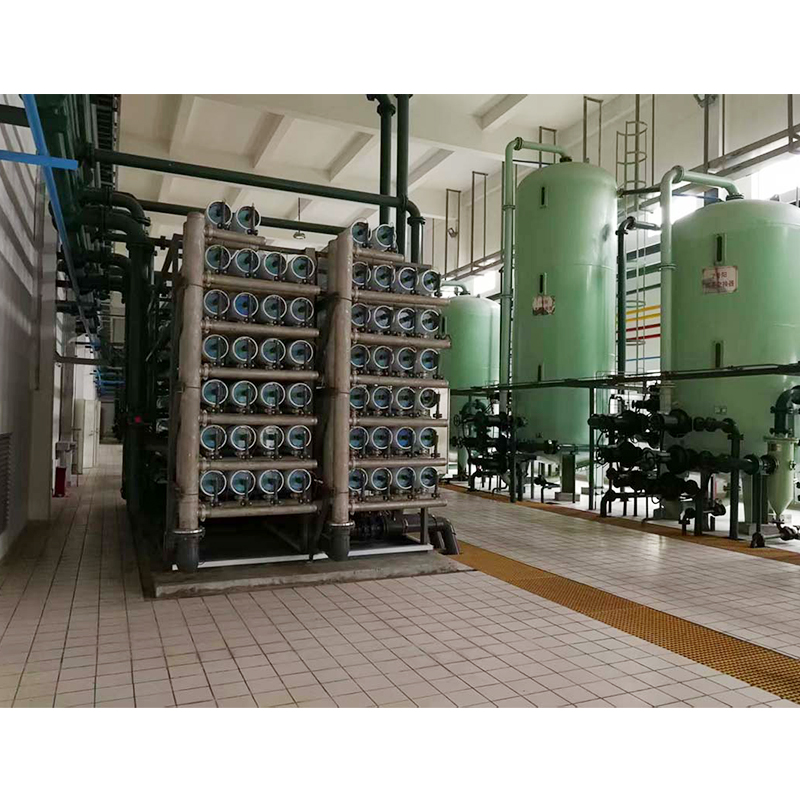
Faced with these stubborn contaminants, membrane antiscalants, with their scientific chemical mechanisms and multifunctional design, are gradually shifting from passive response to proactive prevention, becoming a core tool for protecting membrane systems