
Although non-oxidizing bactericides have low resistance, some microorganisms may reduce their sensitivity to the agents through gene mutations or biofilm formation.
Broad-spectrum fungicides, with their rapid, efficient, and broad-spectrum killing capabilities, are becoming indispensable "health guardians" in the water treatment field.
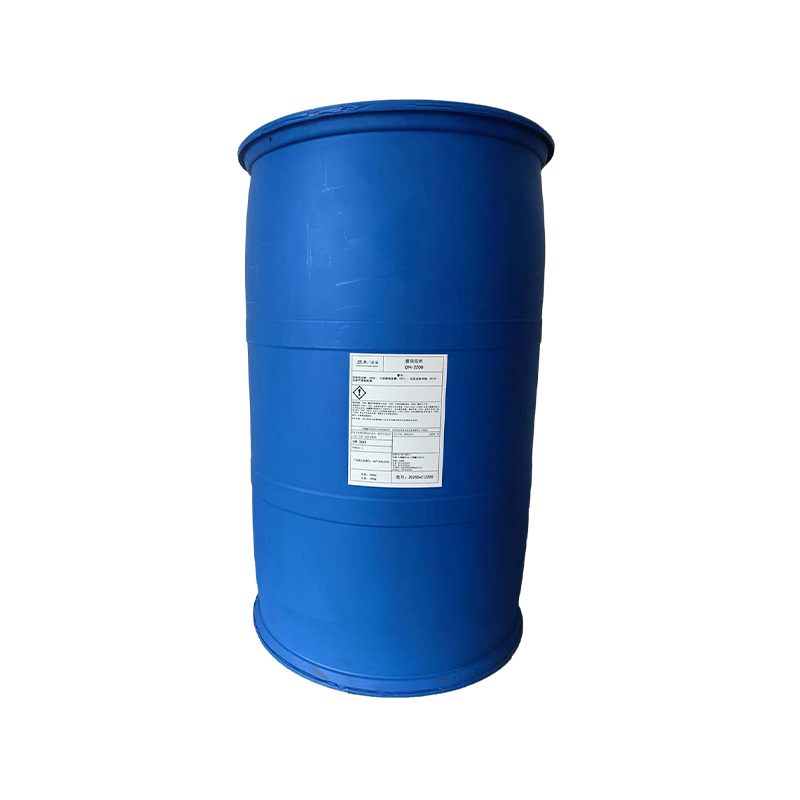
The control of silicate colloids by reverse osmosis membrane antiscalants is a microscopic "colloidal stability battle." Through the synergistic effect of multiple mechanisms, including electrostatic repulsion, steric hindrance, threshold inhibition, and
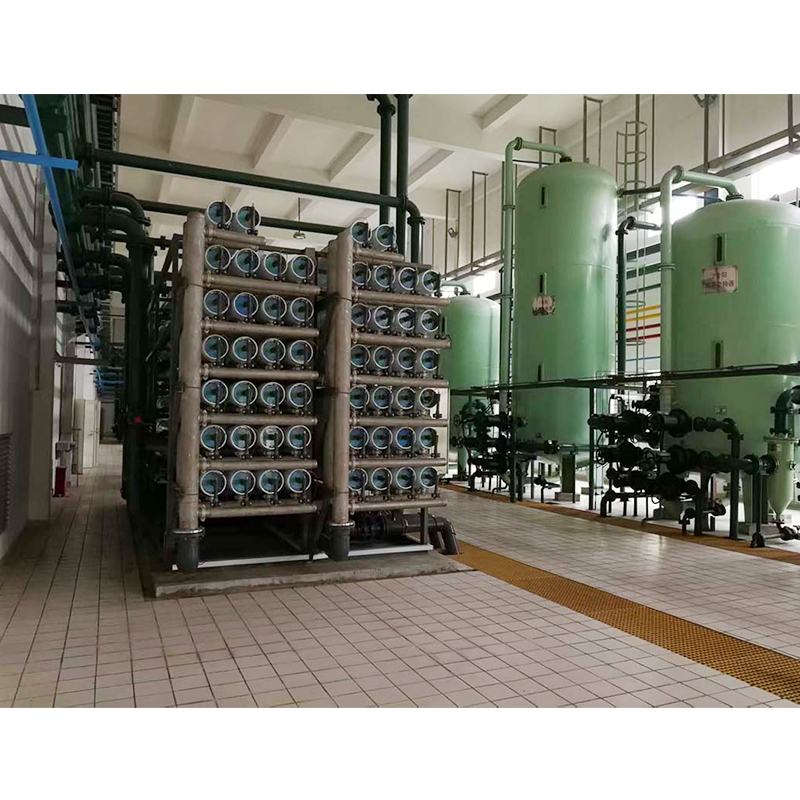
The content of suspended solids and colloids in the influent needs to be controlled to prevent them from combining with reverse osmosis membrane antiscalant to form precipitates and clog the membrane elements.
Traditional water treatment methods often rely on strong oxidizing agents, which can solve problems quickly, but may produce toxic byproducts such as halogenated hydrocarbons.
Membrane antiscalants exhibit an "indirectly dominant, synergistically enhanced" inhibitory effect on microbial growth.